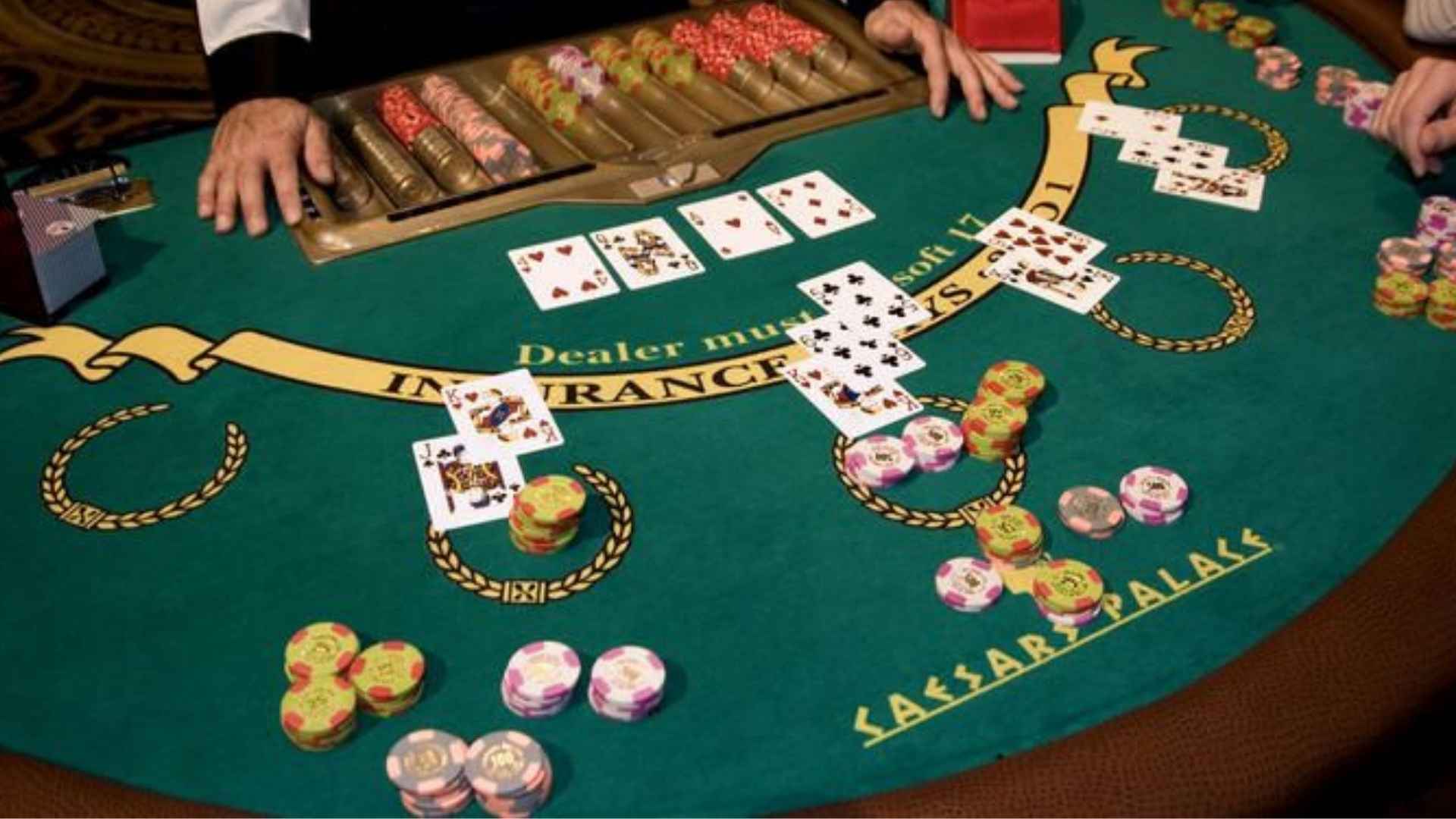
Success at the poker table depends heavily on a player's ability to regulate their internal reactions under changing pressures. While technical knowledge provides a baseline, self-control often decides whether a strategy is executed effectively or abandoned during critical moments. Understanding how personal discipline dictates table outcomes allows players to maintain stability and optimize their long-term performance.
The Direct Impact of Discipline on Strategy Execution
A sound poker strategy requires strict adherence to pre-determined guidelines regardless of recent outcomes. Players who lack self-control frequently deviate from their plans when faced with short-term variance or minor setbacks. Maintaining discipline ensures that every action remains aligned with long-term profitability rather than momentary feelings.
When emotional impulses interfere, players often execute improper bluffs or make costly calls against stronger holdings. Developing strong cognitive control allows individuals to evaluate each decision objectively and filter out irrational urges. Over time, this consistent execution builds a substantial edge over opponents who rely on instinct alone.
Preventing Emotional Reactions to Bad Beats
Experiencing an unlucky loss is an inevitable aspect of competitive card games that tests even seasoned players. Strong self-control acts as a buffer against tilt, preventing one bad hand from ruining an entire playing session. Recognizing initial signs of frustration enables players to pause and re-center before making subsequent decisions.
Many enthusiasts practice disciplined decision-making across various online environments, such as accessing www m88 com login to refine their tactical skills under realistic conditions. Staying calm under pressure allows players to absorb temporary losses without altering their fundamental style. This emotional resilience ultimately protects their remaining chips and preserves strategic integrity.
Managing Risk Through Behavioral Restraint
Self-control plays a crucial role in effective bankroll management and risk assessment during active play. Disciplined players recognize when table conditions become unfavorable and know when it is appropriate to step away. Exercising restraint prevents the common trap of forcing action when high-value opportunities are absent.
Unchecked aggression often leads to unnecessary exposure, while patient players wait for optimal statistical advantages. By controlling the desire for immediate action, players preserve capital for situations with high expected value. This calculated patience forms the backbone of sustainable poker success.
Sustaining Concentration During Extended Sessions
Long gaming sessions naturally drain mental energy, making self-control progressively harder to maintain. Fatigue impairs judgment and increases susceptibility to impulsive choices that compromise overall results. Disciplined individuals implement structured breaks and monitor their mental clarity to sustain peak focus.
Recognizing the limits of one's attention span ensures that decision quality remains consistently high from start to finish. Prioritizing mental endurance over total time spent at the table leads to far better overall outcomes. Ultimately, self-control transforms theoretical knowledge into steady, practical performance.