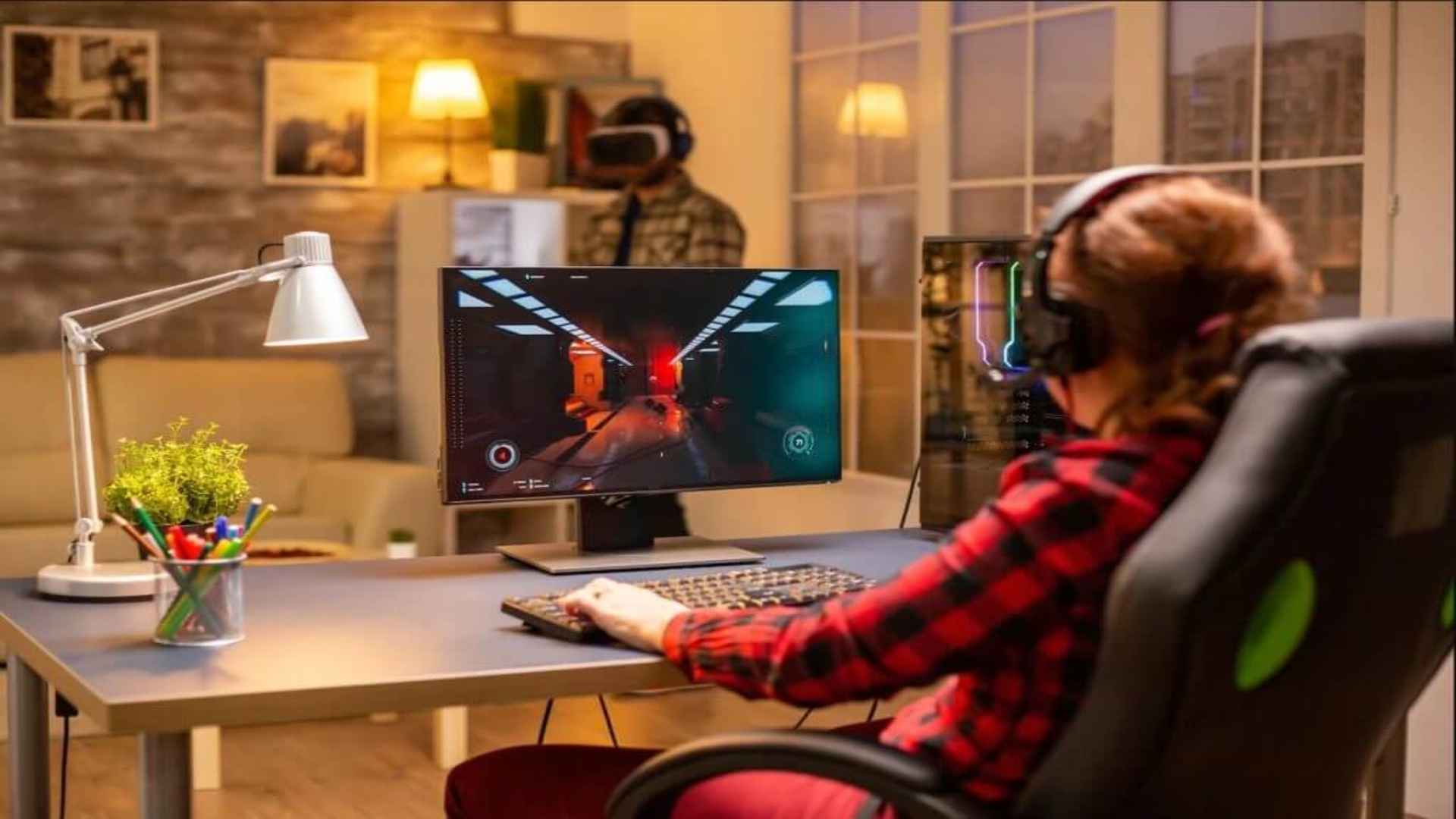
The global expansion of mobile online gaming has transformed the entertainment industry, shifting from simple pastimes into highly engaging digital experiences. With smartphones becoming more accessible and technologically advanced, millions of users now enjoy seamless connectivity and sophisticated gameplay on the go. This ongoing growth is driven by innovative software development and changing consumer habits worldwide.
Advancements in Portable Hardware
Modern mobile devices now possess computing power that rivals traditional home entertainment systems. This dramatic shift allows developers to create complex virtual worlds with high-fidelity graphics and realistic physics engines. As a result, players can experience immersive landscapes without needing expensive specialized equipment.
Furthermore, the optimization of mobile operating systems ensures that resource-intensive applications run smoothly across various device tiers. Enhanced battery efficiencies and cooling mechanisms mean users can engage in prolonged sessions without hardware performance degradation. These technical breakthroughs continue to lower the barrier to entry for high-quality entertainment.
The Impact of Global Connectivity
The widespread rollout of high-speed cellular networks has fundamentally altered how players interact with digital platforms. Low-latency connections enable real-time synchronization, making competitive multiplayer experiences incredibly fluid and responsive. This infrastructure allows individuals from different continents to collaborate or compete instantly.
As these networks expand, online communities grow more integrated and active. For those looking to explore reliable digital ecosystems, visiting platforms like M88id provides excellent insight into secure connectivity and modern user features. Stable network integration remains a critical pillar supporting the market's upward trajectory.
Evolution of Social Gaming Ecosystems
Mobile titles are no longer just solitary experiences; they have evolved into vibrant social hubs where communities regularly interact. Modern game architecture prioritizes cooperative elements, clan systems, and integrated live chats that foster deep communal bonds. This social layer keeps players engaged far longer than traditional offline formats.
Live-service models also ensure that content remains fresh through seasonal updates, limited-time events, and community challenges. By continuously responding to player feedback, creators maintain a dynamic environment that rewards long-term participation. These evolving ecosystems effectively mirror real-world social spaces.
Accessibility and Diverse Content
The variety of available genres ensures that there is a suitable option for every demographic and skill level. From intricate strategy simulations to relaxed puzzle games, the digital marketplace caters to a broad spectrum of preferences. This diversity attracts casual participants who might not identify as traditional gamers.
Flexible business models, particularly free-to-play structures with optional monetization, allow users to test applications without financial commitments. This approach has democratized digital entertainment, allowing massive audiences to participate globally. The combination of easy accessibility and diverse content guarantees sustained interest for years to come.